What is Long Term Care?

Long-term care encompasses medical and non-medical services for individuals who need assistance with fundamental daily activities.

It’s not one size fits all

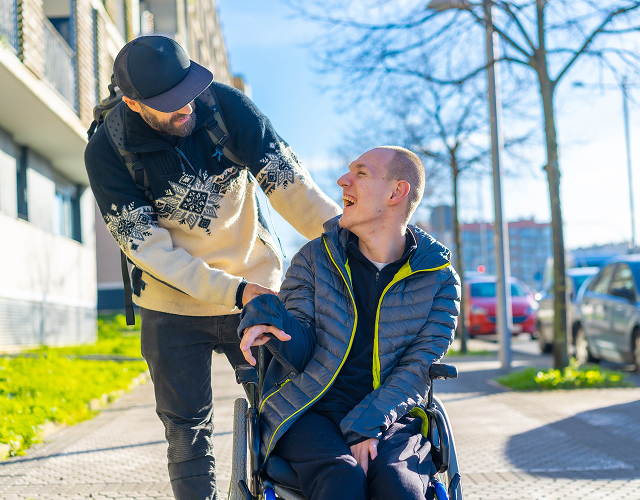
Long-term care is a critical component of the health care continuum centered around the care and living accommodations of seniors, adults with disabilities, and rehabilitation patients. Long-term care consists of providers who specialize in skilled nursing care, assisted living, personal care, and memory care. Our oldest generation is as diverse as our youngest. Therefore, settings vary based on needs.
Care Needs

Levels of Long-Term Care

Senior living, personal care, assisted living, memory care, and skilled nursing facilities offer a full range of care services depending on the needs of the person.

Senior Living

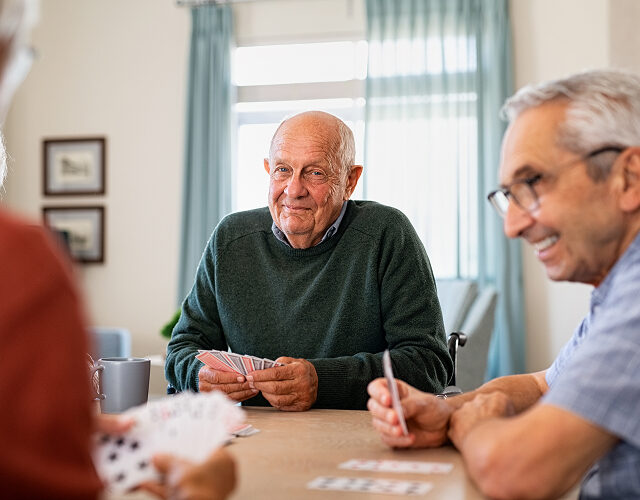
Senior living encompasses a variety of residential options for older adults, including independent living communities that offer amenities and social activities, and assisted living communities that provide help with daily tasks like bathing, dressing, and medication management. Continuing Care Retirement Communities provide a full progression of care from independent living through skilled nursing care as a person's needs increase.

Memory Care

Memory care is a distinct set of services that specifically caters to patients with Alzheimer’s disease, dementia and other types of memory limitations. Alzheimer’s and dementia pose unique care challenges. In addition to providing assistance with activities of daily living, the staff in memory care units/buildings are specially trained to assist people with dementia or impaired cognition. Communities that provide memory care often have a dedicated and secure living environment for residents requiring this kind of care that incorporate design elements that research has shown to lower stress in individuals with Alzheimer’s or dementia.

Skilled Nursing

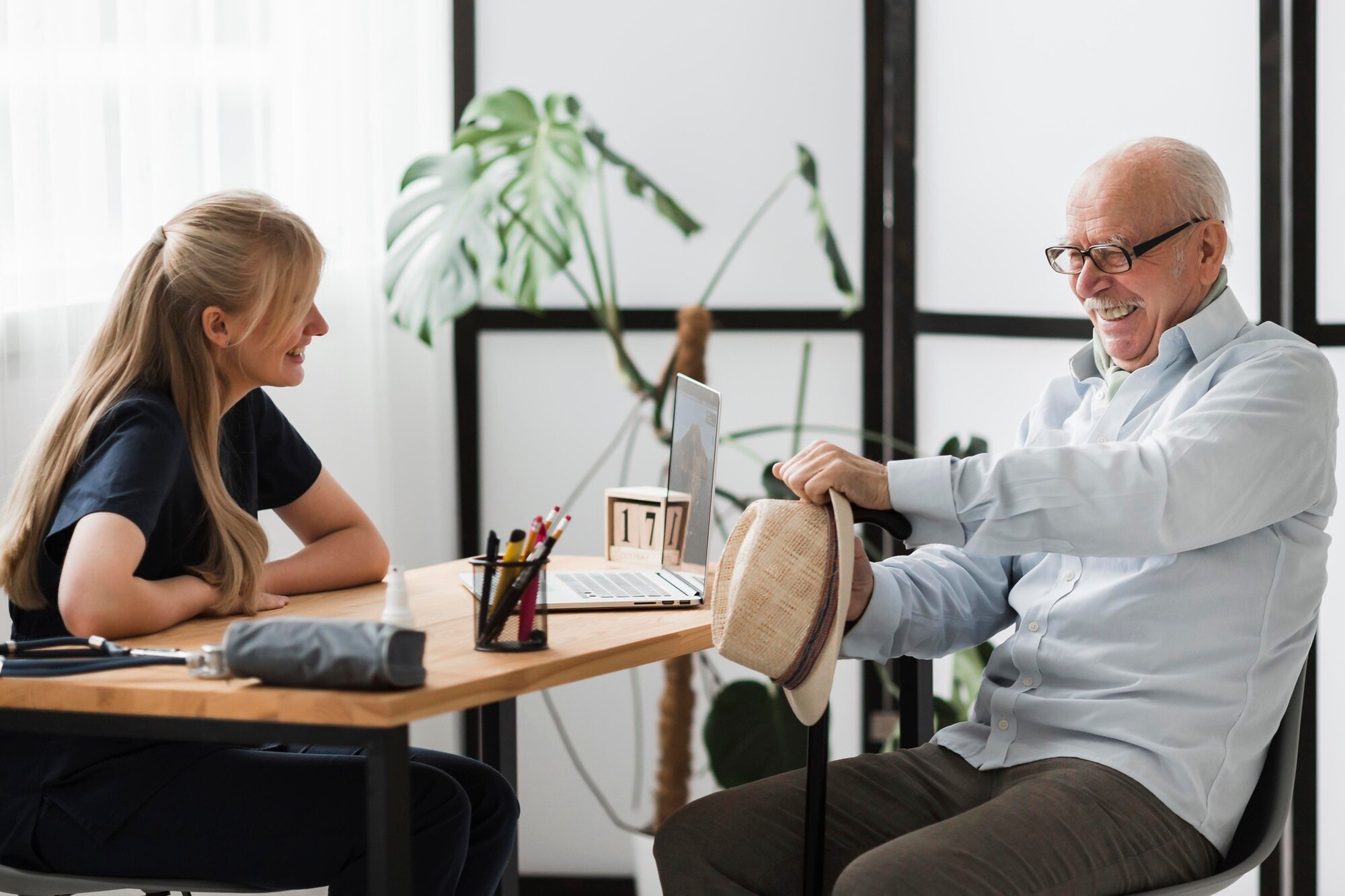
Skilled nursing care facilities, also known as nursing homes, are licensed health care facilities that offer round-the-clock nursing care and are inspected and regulated by the Pennsylvania Department of Health. Skilled nursing care involves trained professionals performing services that are needed due to temporary or permanent injury or illness. Staff also provide custodial or personal care that focuses on helping residents with activities of daily living such as bathing, dressing, personal hygiene, eating, maneuvering in and out of bed, walking and incontinence. Seniors who require a skilled nursing setting can no longer live alone and need more help than their family or present caregiver can provide.
Voices from the Floor

The Heart of Long Term Care

MEMORY CARE

“When I walk in, I’ll see a resident and they’ll smile and recognize me. They don’t know my name most of the time, because they don’t remember that well, but they know they know me and they know I’m going to help them with whatever they need.”
Director of Nursing

Vicky Hesser

SKILLED NURSING

“You have to be compassionate and have passion in what you do, and I think long term care is the perfect place to really pull all of that together. You have the huge potential to impact somebody’s life and the quality of care and even the lives of their families.”
Nurse, Unit Manager

Jeremy McDaniel

The Most Caring Career

While a paycheck may be enough reward for performing a job, your life’s work deserves more. Fulfillment. A sense of purpose. The knowledge that you are making the world just a little bit better.

Service to others meets all those criteria – fulfillment in knowing that you are making a difference in the lives of individuals not related to you, purpose in focusing on other people rather than yourself, and often immediate evidence that you are improving the world one smile at a time. Geriatric care giving provides even more. You will assist a population that has already done its best to make the world a better place. You will establish long-term relationships and enrich your own life as well as others. And you will work in an environment with other compassionate, like-minded people who share your desire to make a difference.

Serving Seniors

Today’s seniors raised us, educated us and supported us through all of our challenges and struggles. Now many of them need our help.

Families do what they can, but dementia and other complex conditions often require full-time care and medical expertise. Skilled nursing facilities provide what loved ones often cannot. They are welcoming places where residents can continue to maintain independence and vitality. They also have the expertise to handle complicated medical conditions and are well-equipped to handle the financial and social services needs of disabled, chronically ill and geriatric residents.

Diverse Communities

Small or large, nursing homes are complex communities alive with action. A diverse group of people and occupations come together to best serve residents’ health care needs utilizing a person-centered approach. Unlike other care settings, where interactions with patients and families are intermittent, geriatric care workers develop deep relationships with residents and their families.

Staff at skilled nursing care facilities work on collaborative teams, maximizing and utilizing each person’s unique skills and knowledge to provide the best possible care to residents.

Take the Next Step

Long-term care depends on people willing to show up with purpose. Whether you’re exploring your future or building a team, there’s an opportunity waiting.
For Job Seekers

Explore Open Roles in Senior Care

Search real-time job listings across care settings and career paths. Whether just getting started or ready for your next opportunity, the right role is waiting.
For Employers

Connect with Compassionate Talent

Post open positions and reach individuals who are called to serve. Join a growing network of care providers investing in a skilled, mission-driven workforce.